• Skip to primary navigation
  • Skip to main content
(734) 453-8003
Novastar on LinkedIn Novastar YouTube Channel

NovaStar

Complete IT Lifecycle Solutions

MENUMENU
  • Home
  • Solutions
        • Calibration
          • Accreditations
          • Customer Portal
          • Services
          • Primary Standards
        • Industrial Grade 3D Printers
          • Metal Contract Manufacturing
          • Farsoon 3D Printing Solutions
          • Farsoon 3D Materials & Applications
          • NovaTumble & NovaBlast
          • Materialise Magics
        • IT Products & Services
          • HP Products
          • IT Services
  • Resources
        • News
          • Novastar Calibration: A2LA Accreditation for Calibrating Primary Electrical Stan…
            By Novastar
            July 17, 2026
            Novastar is proud to announce our A2LA Accreditation for Calibrating Primary Electrical Standards—bringing you a new level of confidence, Read More
          • Novastar Calibration: Expanding to Gas Flow Calibration
            By Novastar
            June 12, 2026
            Novastar is pleased to announce we have expanded our ISO/IEC 17025:2017 A2LA accredited scope to include gas flow calibration. Effective Read More
          • Novastar Now Offering Metal 3D Printing Service
            By Novastar
            July 8, 2025
            3D Printing Service, Additive Manufacturing, Service Bureau, Contract Manufacturing. Regardless of what nomenclature you prefer, Novastar Read More
        • More News
  • About
    • Careers
  • Contact
MENUMENU
  • Home
  • Solutions
        • Calibration
          • Accreditations
          • Customer Portal
          • Services
          • Primary Standards
        • Industrial Grade 3D Printers
          • Metal Contract Manufacturing
          • Farsoon 3D Printing Solutions
          • Farsoon 3D Materials & Applications
          • NovaTumble & NovaBlast
          • Materialise Magics
        • IT Products & Services
          • HP Products
          • IT Services
  • Resources
        • News
          • Novastar Calibration: A2LA Accreditation for Calibrating Primary Electrical Stan…
            By Novastar
            July 17, 2026
            Novastar is proud to announce our A2LA Accreditation for Calibrating Primary Electrical Standards—bringing you a new level of confidence, Read More
          • Novastar Calibration: Expanding to Gas Flow Calibration
            By Novastar
            June 12, 2026
            Novastar is pleased to announce we have expanded our ISO/IEC 17025:2017 A2LA accredited scope to include gas flow calibration. Effective Read More
          • Novastar Now Offering Metal 3D Printing Service
            By Novastar
            July 8, 2025
            3D Printing Service, Additive Manufacturing, Service Bureau, Contract Manufacturing. Regardless of what nomenclature you prefer, Novastar Read More
        • More News
  • About
    • Careers
  • Contact

Novastar

Four Disadvantages of Seat Sharing for CAD/CAE

February 15, 2015 By Novastar

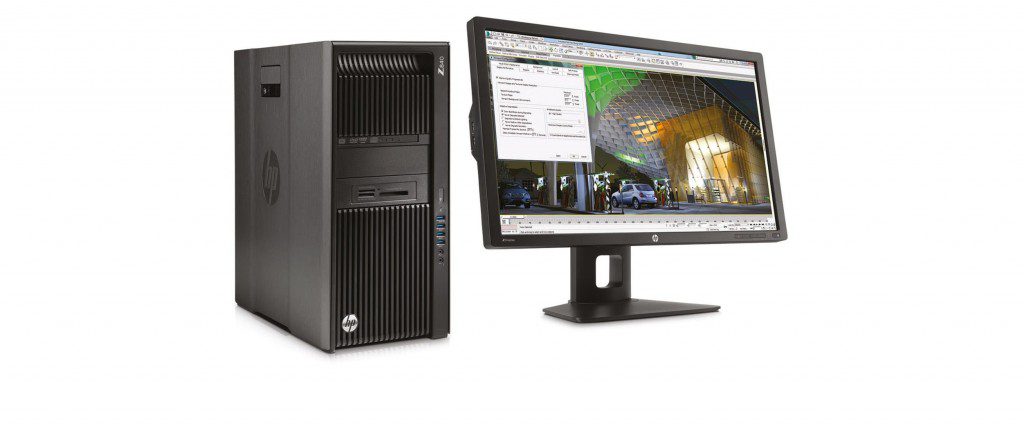
HP-Z Workstation

With an uncertain economy and competitive environment, every company is focused on the bottom line. Publicly traded companies have the additional pressure from Wall Street to produce positive short term results.

One of the biggest victims of cost reduction is the acquisition of new and value added assets. Critical systems that are necessary are typically accounted for, but it can be more difficult to obtain funding for hardware or software that fulfills long term needs.

This is applicable to requests for up-to-date CAD software and engineering workstations. Developers who use this technology understand the need to make these investments. However, tight budgets may lead to resistance in upgrading; administrators see an expense they would rather avoid. This results in a lack of appropriate resources for developers to do their jobs.

As a compromise, a group of developers in a department would share a few machines to get their work done. This practice is known as seat sharing. In theory, this sounds like an efficient use of resources. However, in practice, it can cause a number of problems for companies of any size. Here are four of them.

1. Seat Sharing Causes Diverted Resources

Sharing one or two machines is financially less costly than providing a workstation for each person in a department. What is left out of the equation when evaluating the cost to benefit ratio of buying additional hardware are soft expenses; coordinating how the resource will be shared becomes a new task. Conflicts will arise when multiple developers need to use the same machine. This diverts developers to become production schedulers when their time could be used more wisely.

2. Sharing CAD Equipment Creates Bottlenecks

Multiple developers wanting to use a machine at the same time creates a bottleneck; one developer has to wait while another finishes a task. For example, a developer may need a half an hour to execute a deformative model simulation. If another developer arrives at the workstation shortly after needing it, he or she must wait until the current process is complete. This downtime affects the overall schedule of a project as the next step of the design process is halted until the bottleneck is resolved. In a just-in-time design environment, these delays can have a serious impact on a business.

3. There is a Significant Loss in Productivity

In some cases, developers will resolve conflicts by stopping their jobs to allow another person to access a workstation. This not only stops the current workflow, but it may also interrupt a job in process that could result in a simulation being accidentally canceled or crashed. This causes another hidden cost: rework. It is difficult to measure or track the impact that rework creates when an incident occurs.

4. Seat Sharing Can Lower Employee Morale

Scheduling conflicts can be resolved by forcing developers to change shifts to spread out the demand on a workstation. This may seem like a reasonable solution to management, but asking people to work second and third shifts can cause resentment and a drop in morale. This may lead to developers leaving a job rather than work off-hour shifts.

There’s no question that businesses must be smart and creative when establishing their budgets. While seat sharing may look like a reasonable solution, the costs in productivity loss, rework, and lowered morale end up being more expensive than the lowered capital cost of purchasing less workstations. Taking this into account, seat sharing may not be the best choice.
Previous

Three Concerns of 3D Printing

Next

Integrating LCA and CAD for Sustainable Product Design

Filed Under: Novastar Blog

Three Concerns of 3D Printing

January 17, 2015 By Novastar

Cube Mini

Disruptive technology is the center of discussion for innovation. For example, Apple established the smartphone industry with the iPhone and Dell revolutionized PCs with build to order manufacturing. These innovations provided significant advantages and are viewed as positive developments.

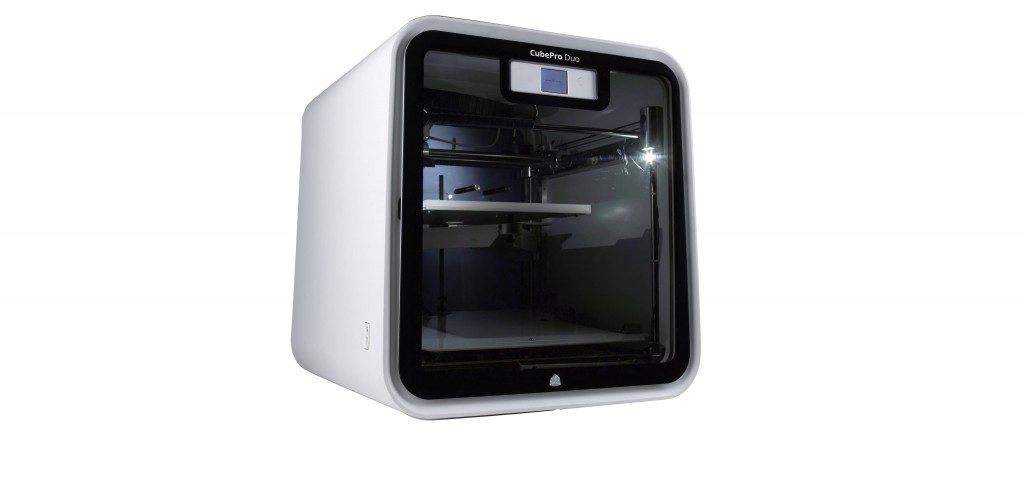
The same is true for 3D printing, which is disrupting the mass production manufacturing industry as it emerges. Products can be built as one off productions or in small batches. This can result in lower costs, decreased time to market, and an increase in mass customization. Although there are many benefits to 3D printing, this emerging technology has also raised concerns that need to be addressed. Here are three of them.

Legal Issues

As more small companies and individuals acquire the capability to produce products with 3D printers, liability concerns arise. For example, large manufacturers of helmets and toys are strictly regulated in the United States. However, it is difficult to extend these controls to small scale production. The standard of produced materials is currently not well observed.

Intellectual property is also a legal concern. Designs and programs for creating 3D products can be copyrighted, but the lines of ownership are blurred with a growing number of micro manufacturers who do not verify if a model is owned by someone.

Piracy problems are expected to grow, as there is a low barrier to acquire a 3D printer and to use a copyrighted model. Knockoffs of popular products can easily be made with 3D manufacturing. A recent report from the Institute for National Strategic Studies states that it is important that entrepreneurs are legally protected and that their intellectual property is protected abroad in reference to 3D printing.

Security Issues

Unfortunately, new technology will always be used by those with malicious intent. For example, plastic guns can be made that are undetectable by metal detectors. ATM card skimmers, a widget that reads your credit card information as you withdraw from an ATM, have been produced to gain access to bank accounts.

Another concern with 3D technology is that it enables a greater number of companies and individuals to enter the manufacturing industry. This allows proprietary corporate and government intellectual property more accessible, increasing the chances that this sensitive information will be leaked or pirated.

Environmental Impact

While the flexibility of 3D technology allows smaller production runs with less waste, there are some adverse environmental consequences as well.

Current 3D printers consume a lot of energy, some using up to twice as much energy as conventional injection molds. Smaller manufacturers using this technology may lack sufficient air quality controls; unhealthy emissions can then be a concern. Also, as producing small batches of products is so cost effective, disposal of unused prototypes could increase and a consequence of “design fatigue.”

Although there are concerns that arise from the growth of 3D printing, they should not be a reason to slow the development of the technology. Overall, the benefits of 3D printing outweigh the consequences. As with all new technologies, vigilance should be used to ensure 3D printing is used with good intent.

Previous

Additive Manufacturing Opens Exciting Opportunities

Next

Four Disadvantages of Seat Sharing for CAD/CAE

Filed Under: Novastar Blog Tagged With: 3D Printing

Additive Manufacturing Opens Exciting Opportunities

December 21, 2014 By Novastar

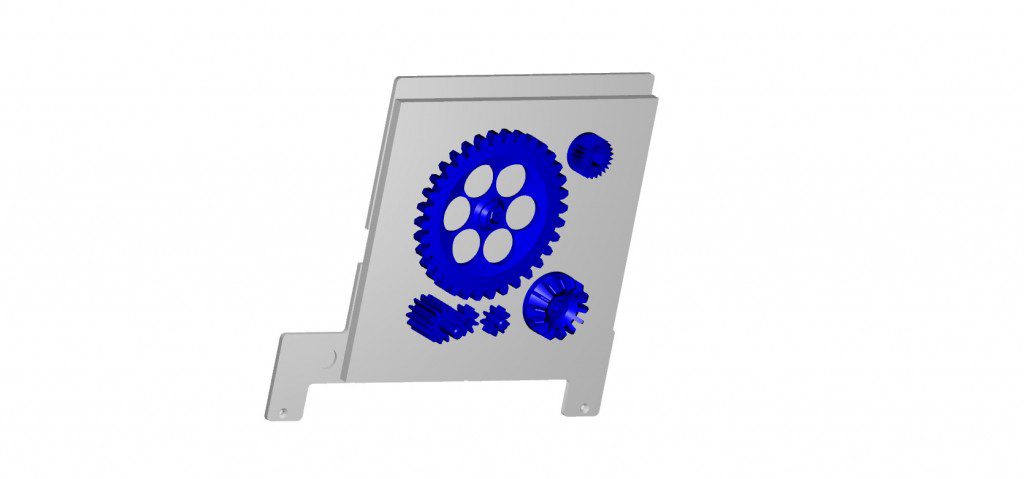
3D printing has generated buzz in the manufacturing world, specifically with prototyping. The term “Additive Manufacturing” is being adopted in the industry, as it describes the production technique of building from the bottom up rather than shaping an existing piece of material. Additive Manufacturing creates products by layering and allows using a wide range of materials to build models. The process is developing rapidly, as methods that were not possible a year ago can now be accomplished.

Multiple Material Use

An advantage of Additive Manufacturing is the ability to use multiple materials in the construction of a model. The last eight months has shown breakthroughs in the use of alternative materials. For example, the cost, appearance, flexibility, and turnaround of models using metals in 3D printing has vastly improved over what was possible a year ago. Material options now include various plastics, polymers, sub polymers, and organic materials. Using edible materials to build food is now a possibility, such as building a customized cake.

In-house metal fabrication is now possible with Additive Manufacturing. A plastic prototyped model can now be coated with metal through a nano-scale electrolysis process. An electromagnet coupled with a depositing tip allows the metal to be assembled droplet by droplet. Inserting metal into a carved plastic model is no longer necessary to incorporate a mixture of materials; an entire prototype can be built from the ground up using all necessary materials.

Since Additive Manufacturing constructs a model one layer at a time, a model can now be made that would be difficult or impossible to make using traditional manufacturing methods. It is now possible to enclose one type of material in another. Voids inside of material can also be made as well.

Multiple Color Options

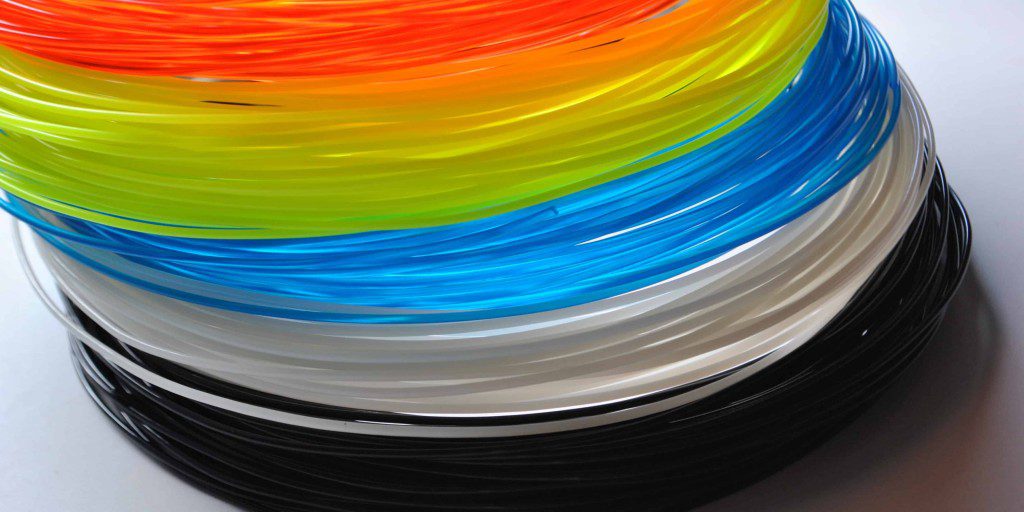
Until recently, using multiple colors in 3D printing involved swapping out spools, as machines could only hold from one to three colors. By combining various colors with a white polymer, it is now possible to use the entire color palette. This is similar to how an ink jet printer can produce the whole color spectrum from three colors.

Material costs are significantly reduced when a white polymer can be colored on demand, as it is no longer necessary to have an inventory of spools for each color that you would like to use. This allows staff and clients to be more creative in their prototyping.

The recent advancements of Additive Manufacturing have increased the value it can add to a business; it can help you remain competitive and respond to your market. Have you considered using Additive Manufacturing? Does Additive Manufacturing have an application for your business?

Previous

Seven Benefits In-House Prototyping Has Over Outsourced Prototyping

Next

Three Concerns of 3D Printing

Filed Under: Novastar Blog

Seven Benefits In-House Prototyping Has Over Outsourced Prototyping

December 2, 2014 By Novastar

Prototyping In-House vs Outsourced

The Advantages of In-House Rapid Prototyping

The time it takes to develop a new product from design to manufacturing is critical in an on-demand world. This is especially true in the design phase. Traditionally, a model is designed and the assembly of a prototype is outsourced to a third party – often located overseas. This method is time-consuming and costly. As a result, more manufacturers are turning to in-house rapid prototyping, such as using a 3D printer to construct a model.

Here are seven reasons why the same approach should be considered.


1. In-house Prototyping Reduces Turn-Around Time.

Traditional outsourcing can take a week or more for a prototype to arrive due to transit time. In addition, internal development can cause more lag. Due to the time and expense involved, companies hesitate to request a prototype until they have something close to a finished model. Time and expense are less of an issue for in-house prototyping, as a physical model can be built on-site the same day. This can significantly reduce the timeline of overall development.


2. Rapid Prototyping Reduces Errors & their Associated Cost.

In addition to speeding up development, more frequent prototyping can also reduce costly errors that would arise from incorrect tooling. This reduces errors that would then become apparent in costly dies and molds that produce parts that do not fit together.

For example, when fitting a flange into a receptacle, making a mold to produce a prototype can reveal that the flange is slightly too large to fit. Re-making the mold to correct the problem is expensive so it is often not done. This is not necessary with rapid prototyping, as multiple revisions can be made within each iteration without the need to make a mold. Errors are reduced with this iterative process, and design changes are not compromised due to incorrect prototype dimensions.


3. In-House Boasts Huge Productivity Gains

Prototyping in-house reduces the lag time caused by waiting for prototypes to come back from a supplier, putting development at a standstill. This time is virtually eliminated when prototypes can be made on-site the same day, resulting in a more productive, cost effective development team.


4. In-House Prototyping Saves on Costs

The investment needed to perform outsourced prototyping is reduced by eliminating shipping and equipment costs when prototyping is performed on-site. Every instance when rapid prototyping can be done as opposed to outsourced prototyping will increase savings. By cutting out the vendor profit margin and shipping costs, more is saved as well.


5. Rapid Prototyping Increases Innovation

When faced with the costs and time lag of outsourcing, the most likely design is chosen to be made rather than creating various prototypes for a product. However, with in-house rapid prototyping, you are able to produce multiple prototypes with various features and iterations. This means hundreds of options can be tried in the time it would take for an outsourced prototype to come back from the vendor; Innovation is encouraged and the final piece is ensured to be the most appropriate design for your project.


6. Prototyping In-House Improves Security

Containing the prototyping process in-house means valuable designs are not sent to a third party who may or may not have the same security protocols in place. Maintaining control of the prototyping process from start to finish guards against piracy. Otherwise, the development of a new product could be undermined with plans being leaked by an insecure party.


7. Rapid In-house Prototyping is Future Proof

Advances in rapid prototyping technology have increased the scope of what can be done compared to a few years ago. Innovative designs can now be produced with various materials and colors at a fraction of former costs. The versatility to introduce exciting new products can be taken advantage of with in-house, rapid prototyping. Producing prototypes in-house eliminates time and cost issues related to outsourcing while keeping products at the forefront of the industry.


The transition to in-house, rapid prototyping is dramatically reducing the need for third party outsourcing and is increasing the effectiveness of product development teams. How are you handling the prototyping process? Have you considered bringing the process in-house?

Previous

Novastar Calibration to Exhibit at the Automotive Testing Expo

Next

Additive Manufacturing Opens Exciting Opportunities

Filed Under: Novastar Blog

Novastar Calibration to Exhibit at the Automotive Testing Expo

October 20, 2014 By Novastar

Novastar Calibration’s A2LA accredited Calibration Services business will be exhibiting at the Automotive Testing Expo 2014 October 28, 29 and 30th at the Suburban Collection Showplace in Novi, Michigan Booth # 9049.
Known as America’s only automotive test, evaluation and quality engineering trade show, the Expo features 320 of the world’s leading automotive test equipment manufacturers and test service providers displaying the latest technologies.  Along with its calibration services, Novastar will feature HP engineering workstations and Dassault SIMULIA simulation software as well as Microtech Gefell acoustic test microphones.

Previous

Novastar becomes a CISCO partner

Next

Seven Benefits In-House Prototyping Has Over Outsourced Prototyping

Filed Under: Novastar News

Novastar becomes a CISCO partner

August 10, 2014 By Novastar

Novastar is now a CISCO channel partner.  CISCO designs, manufacture, and sells Internet Protocol (IP) based networking and other products related to the communications and IT industry. CISCO offers a broad line of products designed to transform how people connect, communicate, and collaborate by transporting data, voice, and video within buildings, across campuses, and around the world.  These include routers and switches, security and surveillance, voice and conferencing, wireless and
network storage systems.   For more information see: http://www.cisco.com/.

Previous

Novastar joins Automation Alley

Next

Novastar Calibration to Exhibit at the Automotive Testing Expo

Filed Under: Novastar News

Novastar joins Automation Alley

June 30, 2014 By Novastar

Novastar Solutions has joined Automation Alley – Michigan’s largest technology business association connecting government, business and education to drive the growth of the region’s economy.  Founded in 1999 Automation Alley’s nearly 1000 members hail from eight counties in southeast Michigan.  Automation Alley attracts members by offering opportunities to
grow businesses through networking, use of meeting space, access to top talent , assistance expanding  into overseas markets  and much more.  For more information visit Automationalley.com.

Previous

Novastar to Exhibit at the BIG M Manufacturing Convergence Detroit June 10-12

Next

Novastar becomes a CISCO partner

Filed Under: Novastar News

Novastar to Exhibit at the BIG M Manufacturing Convergence Detroit June 10-12

May 28, 2014 By Novastar

Novastar Solutions will exhibit at the Society of Manufacturing Engineer’s inaugural event shaping the future of manufacturing in the Great Lakes Region: The BIG M Manufacturing Convergence June 10, 11 & 12 at Cobo Hall in Detroit.

Novastar supports hundreds of manufacturers in automotive and other industries with IT lifecycle management, hardware and software for engineering design and simulation, and calibration services for test instruments.

Visit us at Booth # 602 where we will be displaying the best-in-class Hewlett Packard engineering workstations and Dassault Systemes Simulia CAE FEA software.  Enter to win a new HP Zbook mobile engineering workstation.

Previous

Novastar’s Retail Division – Play It Again PCs – has a new logo….

Next

Novastar joins Automation Alley

Filed Under: Novastar News

Novastar’s Retail Division – Play It Again PCs – has a new logo….

May 22, 2014 By Novastar

Play It Again PCS

Novastar’s retail division selling refurbished and new- in- box IT, communications equipment, printers and consumer electronics has a new logo.

www.PIAPC.com sells tens of thousands of items each year – featuring lease returned PCs from Fortune 500 and leasing companies.   The new logo appears on listings in Amazon, ebay, Rakuten and other secondary sites where Play It Again PCs  products are listed.   Packages shipped from Novastar display the Play It again PCs new  logo on stickers.   Local customers coming to pick up their purchases at our Livonia, MI location will find the logo displayed prominently on the front door.

Previous

Novastar adds CATIA to its line-up of Dassault Software Products Offered

Next

Novastar to Exhibit at the BIG M Manufacturing Convergence Detroit June 10-12

Filed Under: Novastar News

Novastar adds CATIA to its line-up of Dassault Software Products Offered

April 12, 2014 By Novastar

Since 2011 Novastar has been a channel partner reselling Dassault’s computer aided engineering software SIMULIA – which utilizes finite element analysis to simulate products, packaging and processes.   In April 2014 Novastar signed an agreement to also resell CATIA  – Dassault’s computer aided design software.  Novastar is a high volume reseller of HP engineering workstations  – making CATIA a good fit to provide a robust  solution  to engineering designers.   Novastar  also provides  services to facilitate adding CATIA seats offering software loading, delivery out of box and reselling or disposing of retired hardware.

Previous

Novastar Calibraton is the exclusive North American distributor for Microtech Gefell Measurement Microphones.

Next

Novastar’s Retail Division – Play It Again PCs – has a new logo….

Filed Under: Novastar News

  • « Go to Previous Page
  • Page 1
  • Interim pages omitted …
  • Page 5
  • Page 6
  • Page 7
  • Page 8
  • Go to Next Page »
Novastar Logo

About Novastar

Novastar, headquartered in Livonia, MI works with companies to support their R&D, engineering, design, prototype, test, and manufacturing with best-in-class IT Products & Services, Farsoon 3D Printers, and test instrument Calibration Services.

A2LA Certification
Certification

ISO/IEC 17025:2017

Solutions

  • Calibration Services
  • Industrial Grade 3D Printers
  • IT Products & Services
  • Metal Contract Manufacturing

Connect

Novastar on LinkedIn
Linkedin
Novastar YouTube Channel
Linkedin

© 2026 • Novastar Solutions • All Rights Reserved • Website Design by Pixelvine Creative

  • Home
  • Solutions
    +
    • Calibration
      +
      • Accreditations
      • Customer Portal
      • Services
      • Primary Standards
    • Industrial Grade 3D Printers
      +
      • Metal Contract Manufacturing
      • Farsoon 3D Printing Solutions
      • Farsoon 3D Materials & Applications
      • NovaTumble & NovaBlast
      • Materialise Magics
    • IT Products & Services
      +
      • HP Products
      • IT Services
  • Resources
    +
    • News
  • About
    +
    • Careers
  • Contact